
What Is Pigmentation on the Face? Causes, Types, and Skincare Tips
Are you concerned about dark spots or uneven skin tone on your face, forehead, neck, hands, arms, shoulders, or chest? Facial pigmentation can affect the appearance of your skin and may make you feel less confident. Common contributing factors include sun exposure, hormonal changes, ageing, and post-inflammatory hyperpigmentation (PIH), which can occur after acne or skin irritation.
Understanding the cause of pigmentation can help you choose a suitable skincare routine. In this blog post, you will learn about the types and causes of facial pigmentation, practical skincare tips, and how Manjistha Gel may fit into your skincare routine.
What Is Pigmentation on the Face?
Pigmentation refers to the natural colour of your skin, which is influenced by a pigment called melanin. In skincare, people often use the term “pigmentation” to describe dark spots or uneven skin tone.
Hyperpigmentation occurs when certain areas of the skin become darker than the surrounding skin due to excess pigment. It can appear as small spots or larger patches on the face. Common causes include sun exposure, hormonal changes, and inflammation caused by acne or skin irritation.
Common areas where pigmentation may appear:
- Face: Cheeks, forehead, nose, and upper lip.
- Neck: Dark patches or uneven skin tone.
- Hands and arms: Dark spots caused by long-term sun exposure.
- Shoulders and chest: Sun-related dark spots or patches.
- Back and other body areas: Dark marks that develop after acne, skin irritation, or injury.
What Are the Different Types of Facial Pigmentation?
Melasma
Characteristics: Melasma appears as large, dark patches, often with an irregular shape.
Common areas: Typically affects the face, especially the cheeks, forehead, nose, and upper lip.
Causes: Hormonal changes, such as those during pregnancy (often referred to as the "mask of pregnancy"), and the use of birth control pills or hormone replacement therapy. Sun exposure can also exacerbate melasma.
Post-Inflammatory Hyperpigmentation (PIH)
Characteristics: PIH manifests as dark spots or patches that develop after an injury or inflammation of the skin.
Common areas: Hyperpigmentation can occur anywhere on the body where the skin has been affected by acne, eczema, psoriasis, or trauma.
Causes: Inflammation or injury to the skin triggers an overproduction of melanin as part of the healing process.
Age Spots (Lentigines)
Characteristics: Age spots, also known as liver spots or solar lentigines, are small, darkened areas on the skin.
Common areas: Frequently found on sun-exposed areas such as the face, hands, shoulders, and arms.
Causes: Cumulative sun exposure over time, typically appearing in older adults.
Freckles (Ephelides)
Characteristics: Freckles are small, flat, brown spots.
Common areas: Most commonly found on sun-exposed areas like the face, arms, and shoulders.
Causes: Genetic predisposition and sun exposure. Freckles can darken with more sun exposure and lighten without it.
Sunspots
Characteristics: Similar to age spots, sunspots are flat, dark patches that result from prolonged sun exposure.
Common areas: Face, hands, arms, and other areas frequently exposed to the sun.
Causes: Long-term exposure to ultraviolet (UV) radiation from the sun or tanning beds.
Drug-induced hyperpigmentation
Characteristics: Hyperpigmentation resulting from the use of certain medications.
Common areas: hyperpigmentation can occur on various parts of the body, depending on the medication and individual response.
Causes: Medications such as nonsteroidal anti-inflammatory drugs (NSAIDs), tetracyclines, antimalarials, and certain chemotherapeutic agents.
What Causes Pigmentation on the Face?
1. Sun Exposure
Sun exposure is a major contributor to hyperpigmentation. Ultraviolet (UV) rays can stimulate melanin production and make existing dark spots more noticeable. Without adequate sun protection, pigmentation may become darker over time.
2. Hormonal Changes
Conditions like melasma—often caused by pregnancy, birth control pills, or hormonal imbalances—lead to patchy hyperpigmentation on the face. Hormones stimulate melanin overproduction, making the skin appear uneven.
3. Post-Inflammatory Hyperpigmentation (PIH)
Ever noticed dark marks left behind after acne, cuts, or skin irritation? This is post-inflammatory hyperpigmentation (PIH), where the skin darkens after inflammation as part of the healing process.
4. Aging and Environmental Factors
Pollution, stress, and aging also contribute to hyperpigmentation. As we age, our skin’s ability to repair itself slows down, leading to an accumulation of dark spots.
How Can You Care for Skin with Pigmentation?
If you notice dark spots or uneven skin tone, a consistent skincare routine can help protect your skin and prevent existing spots from becoming darker. The right approach depends on what causes the pigmentation.
1. Use Sunscreen Every Day
Sun exposure can make dark spots more noticeable. Apply a broad-spectrum sunscreen with SPF 30 or higher to exposed skin before going outdoors. Reapply at least every two hours when outdoors, and after swimming or sweating. Wearing a wide-brimmed hat and seeking shade can also help protect your skin.
2. Follow a Gentle Skincare Routine
Use a gentle cleanser and a suitable moisturizer to keep your skin clean and hydrated. Avoid harsh scrubs and products that cause burning or stinging, as irritation can contribute to dark spots.
3. Avoid Picking Pimples
Picking or squeezing pimples can increase inflammation and leave dark marks known as post-inflammatory hyperpigmentation (PIH). Treat acne appropriately and allow blemishes to heal without picking them.
4. Choose Skincare Products Carefully
Choose products that suit your skin type and review their ingredients before use. Introduce new products gradually and stop using them if they cause irritation. Avoid products that promise instant or guaranteed pigmentation removal.
5. Consult a Dermatologist When Needed
If dark patches persist, become worse, or change unexpectedly, consult a dermatologist. They can help identify the cause and recommend suitable treatment options.
Remember: Pigmentation can have different causes, so one skincare product may not work for every type. Consistent sun protection and gentle skincare are important steps in caring for skin with dark spots.
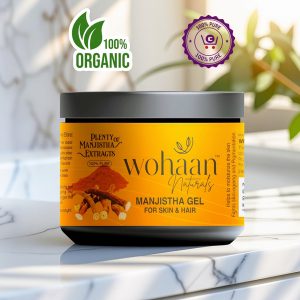
Can Manjistha Gel Help with pigmentation?
Manjistha (Rubia cordifolia) is a traditional herbal ingredient used in skincare. Some research has explored compounds from this plant for their potential effects on melanin production, which plays a role in skin pigmentation. However, this research does not establish that every Manjistha Gel product can reduce dark spots or uneven skin tone.
Manjistha Gel is described as helping moisturize, soothe, and refresh the skin. If it suits your skin, you can include it in your regular skincare routine. However, its ability to reduce pigmentation has not been established for this specific formulation.
To care for skin with pigmentation, use broad-spectrum sunscreen with SPF 30 or higher, follow a gentle skincare routine, and avoid products that irritate your skin. If dark spots persist or worsen, consult a dermatologist for advice on suitable treatments.

Leave a Reply